About Me
Environmental organisations around the world face a similar challenge. We have solutions to many of our most pressing problems, practices and technologies that benefit both people and the planet. Information is everywhere. When asked, most people say they care. Yet adoption remains low, and behaviour keeps lagging behind intention. That gap is what drives me, and it has for over a decade.
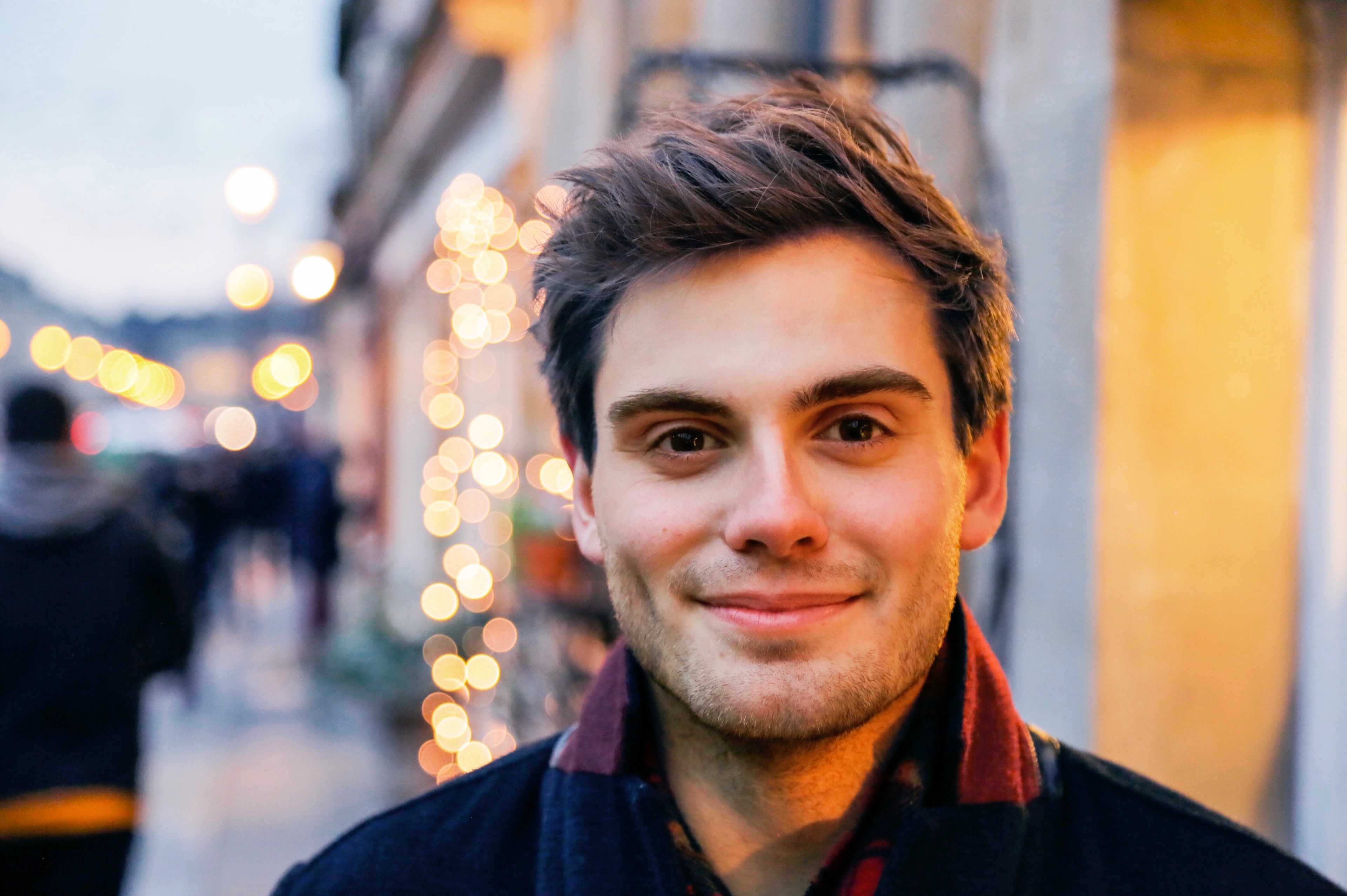
My path into this work started with primates. My doctoral research at Cambridge focused on decision-making in our closest relatives: how they evaluate rewards, handle uncertainty, and navigate different contexts. That work showed me how primate brains process information through predictable shortcuts, patterns that help us navigate the world efficiently but that economists call choice biases.
It became clear that we could apply these insights beyond the lab, that understanding these biases mattered for tackling real-world challenges, including protecting primates in the wild. From academia, I joined Rare's Center for Behavior & the Environment—the first “nudge unit” dedicated to environmental challenges—where I spent six years bringing behavioural science into conservation, climate, and agriculture programmes across 14+ countries, from shifting farming norms in Colombia to rethinking how governments approach climate adaptation. When partner organisations came to Rare needing to understand why behaviour wasn't shifting, I conducted the research, mapped the determinants, developed theories of change, and designed interventions. I've also advised organisations on behavioural science best practice, and had the privilege of working with and learning from teams including:









Much of environmental work is behaviour change work. That deserves the same rigour we bring to economic analysis, ecosystem monitoring, or any other aspect of environmental work. If you're tackling a challenge that involves changing human behaviour, I'd love to talk.