Why Behavioural Science?
Environmental organisations are working against the clock on challenges that are, ultimately, challenges of human behaviour. Biodiversity is declining, climate impacts are accelerating, plastics are accumulating, and the window for meaningful action keeps narrowing. Getting it right matters more than ever.
Yet many programmes still fall short, not for lack of commitment or expertise, but because they're designed around assumptions rather than evidence about how people actually make decisions. They select tools before understanding what's driving the behaviour they want to change. They measure activities delivered rather than outcomes achieved. And when results disappoint, there's no clear framework for understanding why.
Behavioural science offers a different approach. It draws on decades of research into human decision-making to surface what's actually shaping your audience's choices, so you can target interventions where they'll have traction, build evaluation in from the start, and adapt when something isn't working.
My Approach
Whether you need support on a specific project or want to build your organisation's behaviour change strategy and capability, I work alongside your team to deliver results. For project work, I follow a structured process: discover, design, demonstrate. Each phase can stand alone or combine into a full engagement depending on your needs, from a few weeks to a few years. I also offer ongoing advisory support for organisations who want a behavioural science partner on retainer.
Discover
Behaviour isn't shaped only by what's visible: awareness, attitudes, stated intentions. It's shaped just as much by what's harder to see: psychological drivers like emotion and attention, social influences like norms and identity, and structural factors like friction and how choices are presented. These forces operate whether we account for them or not. The Discover phase surfaces which of these determinants are actually shaping your audience's choices, so you're not guessing. You get a theory of change grounded in evidence, identifying what your intervention should target and why.
What this involves
- Scoping workshop: align on objectives, define the target behaviour, and surface assumptions about what's driving it
- Evidence synthesis: review what's already known about your target behaviour and comparable contexts
- Behavioural systems mapping: map the actors involved, their relationships, and the systemic influences shaping their behaviours and interactions
- Primary research: interviews, focus groups, or surveys with your target audience to test and refine the behavioural diagnosis
Design
Knowing what drives behaviour is only half the challenge. The question is whether you're designing interventions that work with these forces or against them. The Design phase translates your findings into practical interventions matched to your context and capacity. By mapping techniques to specific determinants, you can be deliberate about which levers you're pulling and why. You get a tested approach with clear implementation protocols, so you know what works before committing resources to scale.
What this involves
- Intervention mapping: systematically match behaviour change techniques to the determinants identified in the Discover phase
- Co-design: develop interventions collaboratively with your team and target audience to ensure feasibility and fit
- Prototyping: rapid iteration and feedback on materials and delivery before full investment
- Pilot testing: small-scale trials to build evidence of effectiveness and refine before scaling
Demonstrate
With a clear theory of change, you can track whether you're shifting the determinants that matter, not just whether you're delivering activities. The Demonstrate phase builds rigorous evaluation in from the start, so you can distinguish between programmes that generate activity and programmes that generate impact. You get evidence for reporting and learning, the monitoring infrastructure to adapt as you scale, and the ability to show stakeholders what's actually changing and why.
What this involves
- Evaluation design: RCTs or appropriate quasi-experimental methods matched to your programme's context and constraints
- Indicator development: practical measures of behaviour and its determinants, going beyond self-report where possible
- Monitoring systems: dashboards and real-time feedback loops so you can adapt during deployment
- Impact analysis: isolate whether the intervention caused the observed change, and identify what to adjust
I'm also available for talks at conferences, workshops, and panels — bringing the same evidence-based approach to audiences across conservation, climate, and sustainability. See past talks →
Past Projects
Here is a sample of my past work across conservation, climate adaptation, pollution, and sustainable livelihoods.
Promoting Climate-Smart Agriculture
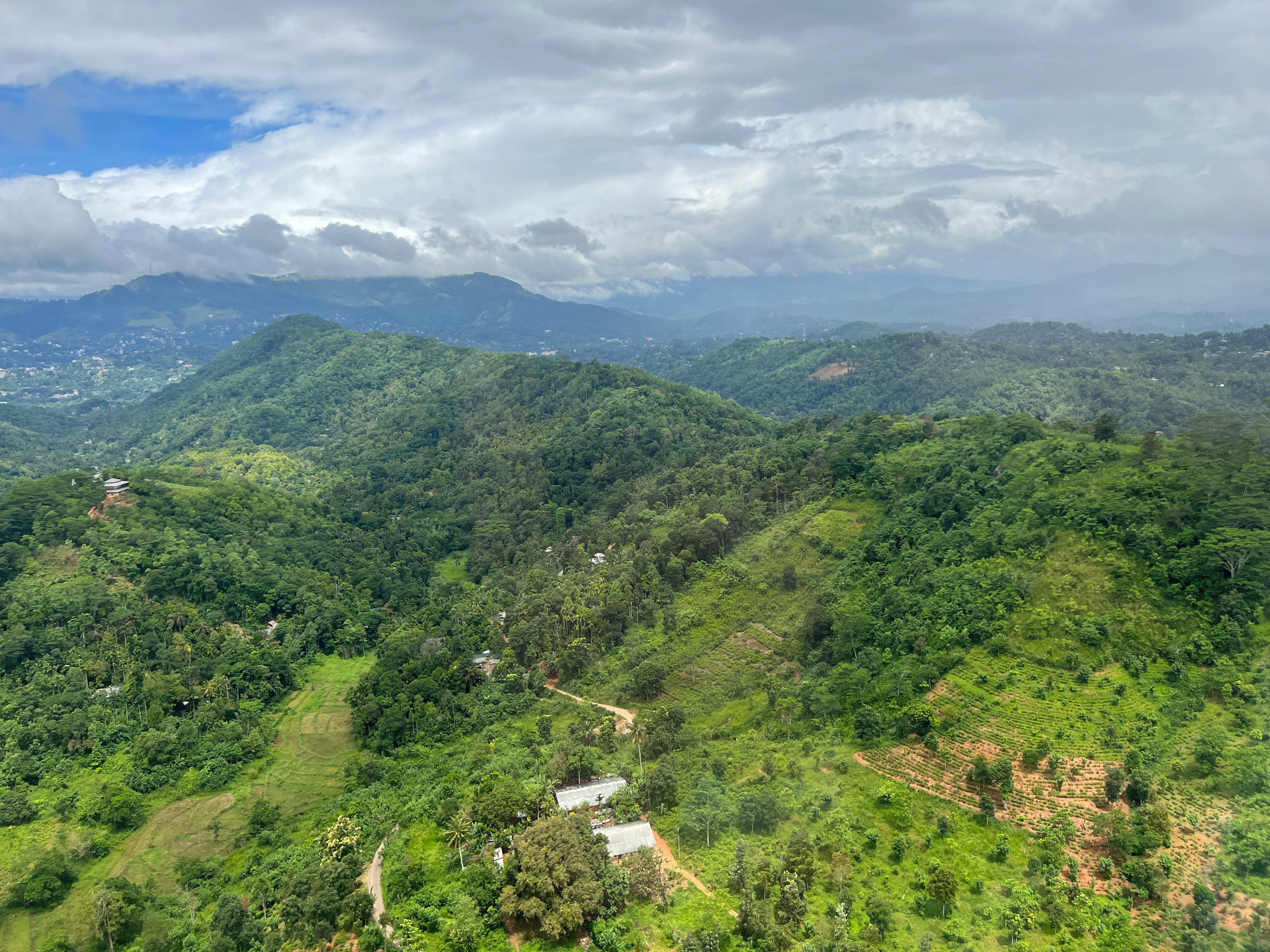
Past efforts to shift Colombian farmers toward sustainable practices had struggled to achieve lasting uptake. For Rare's Lands for Life programme, the research uncovered why: farmers were highly averse to ambiguity, and the norms guiding their decisions weren't aligned with the practices being promoted. These findings shaped a three-phase approach: first, making adoption easy for early adopters; then, making their success visible through social proof; and finally, turning proof into social expectation. The programme continues to adapt as implementation unfolds.
Find out more here →
Promoting Climate-Smart Agriculture
Past efforts to shift Colombian farmers toward sustainable practices had struggled to achieve lasting uptake. For Rare's Lands for Life programme, the research uncovered why: farmers were highly averse to ambiguity, and the norms guiding their decisions weren't aligned with the practices being promoted. These findings shaped a three-phase approach: first, making adoption easy for early adopters; then, making their success visible through social proof; and finally, turning proof into social expectation. The programme continues to adapt as implementation unfolds.
Find out more here →
Understanding Why Climate Adaptation Stalls
The Fijian government had promoted vetiver grass planting to help communities reduce riverbank erosion, but uptake had stalled. Working with IISD, the research identified six determinants shaping adoption. Past efforts had likely shifted the dial on some of these, but issues remained: training was too brief, women were excluded despite being key custodians of the riverbanks, and local knowledge was ignored. The findings are now informing how the government approaches behaviour-centred adaptation programming.
Find out more here →
Sustainable Management of Shared Resources
Many environmental challenges are common pool resource dilemmas, and a single intervention is rarely enough. Multiple determinants need to shift at both individual and community levels, and timing matters. For Rare's Fish Forever programme across Asia-Pacific, the work involved shaping interventions and piloting monitoring systems that track shifts in psychological, social, and structural determinants in real time, giving implementation teams the ability to see where communities stand and adjust accordingly.
Find out more here →
Environmentally Friendly Refills in Cambodia
Refillable cleaning products could significantly cut corporate plastic waste in Cambodia, but businesses weren't switching. Working with Mekong Inclusive Ventures, research with businesses in the private sector uncovered why: status quo bias and loss aversion kept purchasing managers locked into familiar products, and weak social norms around operational sustainability meant there was little external pressure to change. The few businesses already using refills were driven by personal values, not customer demand. These insights shaped recommendations for an impact tracker and strategies to reposition refills as the easier default.
Find out more here →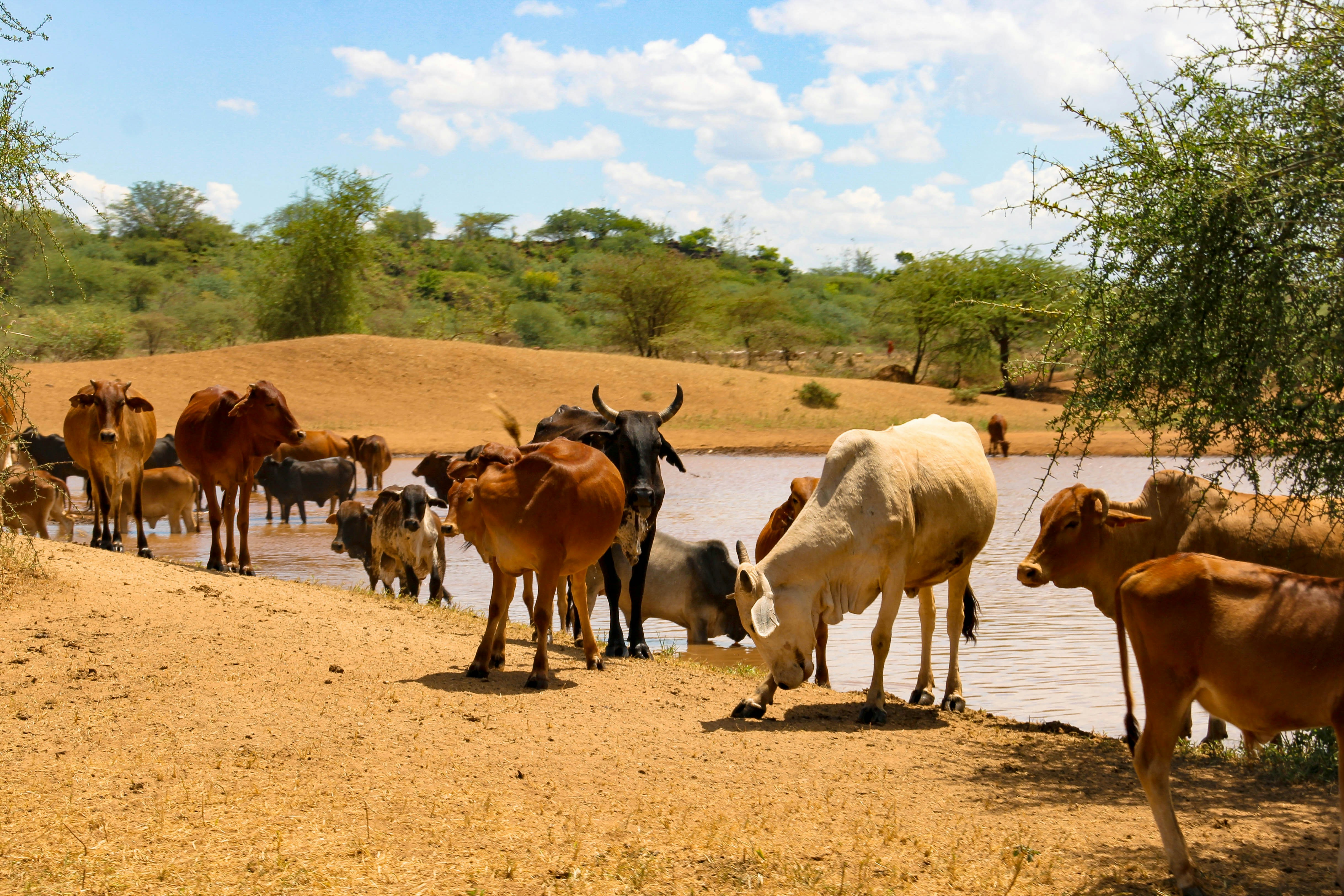
Rotational Grazing in Southern Africa
A programme in Botswana aims to restore 4.6 million hectares of degraded communal rangeland, but shifting entrenched grazing practices requires more than a management plan. The project involved primary research with communities already practising rotational grazing, paired with an evidence synthesis, to surface the determinants shaping cattle owners' decisions. The economics clearly favoured adoption — yet uptake was far lower than expected, with the barriers rooted in how cattle owners related to their livelihood and to the programme itself. These findings gave the implementation team a theory of change and monitoring tools to track and maximise uptake.
Get in touch here →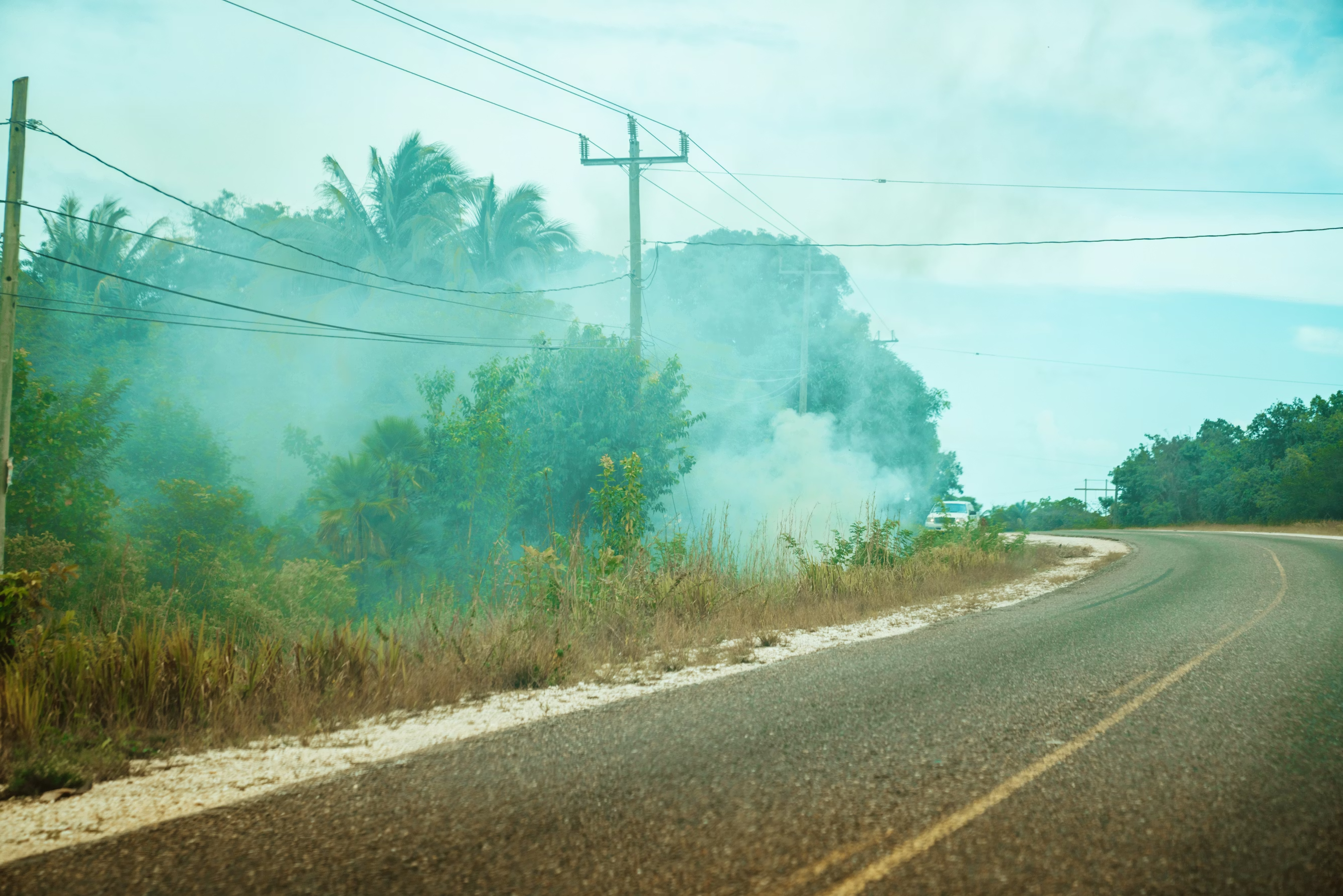
Reducing Wildfire Risk in Belize
Human-caused wildfires are devastating Belize's forests, but banning fire use is impractical and ignores why farmers rely on it. Mixed-methods research with farming communities surfaced the determinants shaping fire use, revealing that the barriers were as much structural as behavioural — fire wasn't just a habit, it was the only feasible option farmers had. The findings produced a theory of change that has since moved into piloting interventions across the region.
Get in touch here →
Electric Auto Adoption in India
India's auto rickshaws are a ubiquitous form of urban transport, but the transition to electric vehicles is shaped by more than cost. The work involved surfacing the determinants shaping drivers' decisions about switching to electric autos. The economics clearly favour the switch for drivers with access to charging, yet most aren't switching, with uncertainty about the new technology emerging as the dominant barrier. These findings produced a theory of change to guide intervention design.
Get in touch here →
Reducing Residential Fertilizer Runoff
On the northeast coast of the US, fertilizer runoff from everyday residents' yards is degrading coastal waterways, but people don't connect their lawn care to the problem. Mixed-methods research (surveys and interviews with residents) explored how they made fertilizer decisions, and found that social expectations were the dominant force — what people thought was normal shaped their behaviour far more than environmental awareness, and the solutions that would reduce harm simply weren't top of mind. These findings shaped a theory of change with interventions aligned to how residents actually think about their lawns.
Get in touch here →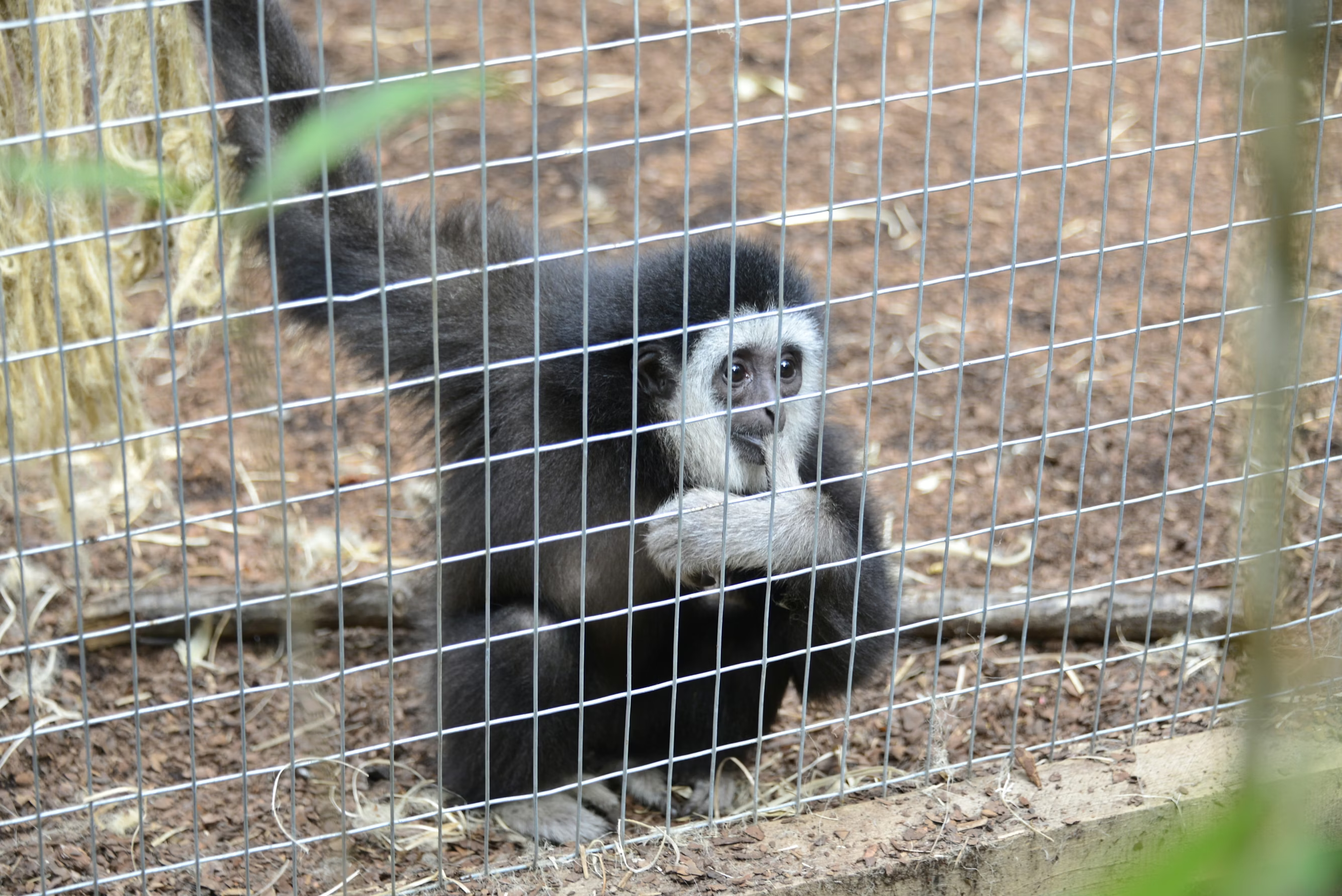
Combating the Gibbon Pet Trade in Indonesia
Despite years of enforcement and awareness efforts, Indonesia's illegal gibbon trade has shifted underground and onto social media, with hundreds of gibbons documented on Facebook alone. An evidence synthesis mapped the psychological, social, and structural determinants sustaining demand — why people acquire gibbons, how online platforms have reshaped trade dynamics, and where existing interventions were falling short. The result was a theory of change to guide future demand reduction efforts.
Get in touch here →